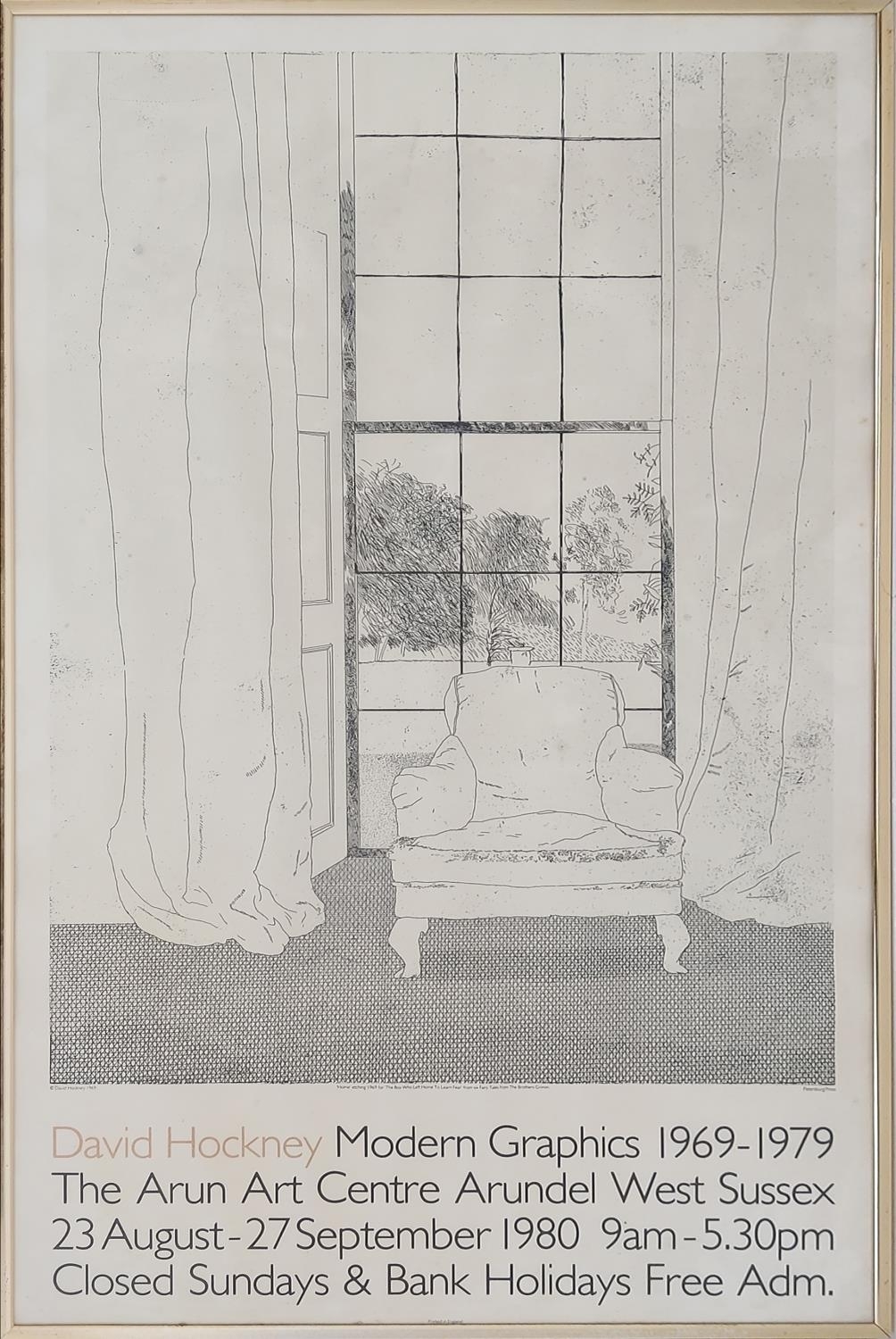
Every now and then I get the urge to re-arrange the furniture. Chairs, tables, lamps; everything gets shuffled about. In the re-arrangement there’s an unsettling that takes place that makes me think about our space and its contents differently. My perspective is shifted. I see things in a new light. My Mum used to say that thunder was Mary rearranging the furniture. To this day, I picture her pushing a large oak table across the room when I hear rumbles in the sky. Maybe that’s where my penchant for re-arranging comes from. My mum. She’s always moving things around. An old chair gets a fresh start by the window. A painting comes alive again in the guest loo. Somehow rearrange is an easier idea than change. It encourages us to work with what we have. Shift. Adjust. Re-distribute.
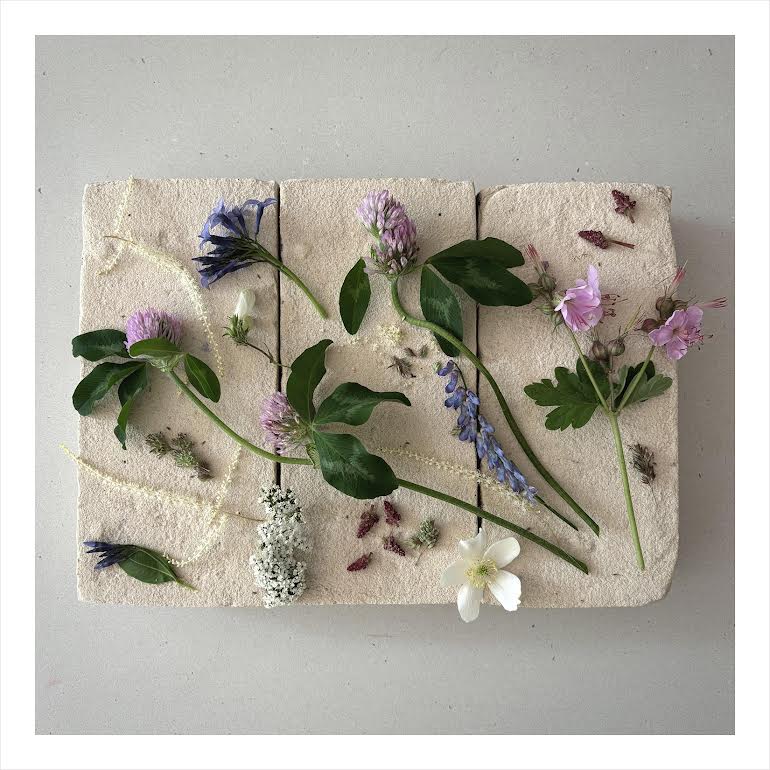
One of the many things I loved about our trip to Newfoundland this summer were the wildflowers; wild Columbine, Bergamot, Cow Parsley, Sweet Clovers and Buttercups everywhere we turned. They grow in fields and bogs and wetland, on gravel and rock, and in the hairline cracks on pavements like tiny bursts of hope. How can something so delicate spring from solid rock? Or cement? Like Newfoundlanders themselves, wildflowers are beautiful and survive in tough conditions. Back in Toronto, I watch the wildflower seeds we scattered in late May produce a swath of flowers so pretty that every bee on the block is in our garden. The university gardens, all newly planted are a love letter to native wildflowers with Echinacea, Queen Anne’s Lace and Little White Pearls growing in abundance. I walk through these gardens everyday and think how in a few months from now all this beauty will be underground. In The Island Of Missing Trees, Elif Shafak writes from the vantage point of a fig tree buried underground. “As you tunnel deep down, you might be surprised to see the soil take on unexpected shades. Rusty red, soft peach, warm mustard, lime green, rich turquoise…. Humans teach children to paint the earth in one colour alone. If they only knew they have a rainbows under their feet.” As someone who feels the absence of colour in the winter months –– bare trees, grey skies and concrete walls –– I found this thought to be wonderfully reassuring. Just because we can’t see the wildflowers, doesn’t mean they are not there. Quiet. Sleeping. In the red, peach and turquoise soil.
I’ve come to know a lot of my neighbours through their gardens. It’s how I met Josephine. It was the tiny coral petals on the Japonica Tree in Joe’s front garden that sparked our first interaction. Shortly after that, we went to see a film about Dutch landscape designer, Piet Oudolf. Over the years, we’ve talked about all kinds of things, but we always circle back to flowers. When Joe moved to a smaller, more manageable home last year she invited me to dig up whatever I wanted from her garden. I felt like I was at an anthophile’s all-you-can-eat-buffet. Of all the things we transplanted, it’s the anemones that I am most looking forward to seeing in bloom. I’d like to think that Joe is as happy that her plants are growing in our garden as we are. Joe’s garden was one the special ones, wild and whimsical, and full of surprises; peonies the size of plates, clumps of colombine, hearty hostas with gigantic, corrugated leaves and the occasional rat floating in a bucket of stinky water. Judith’s garden, a little further north, is equally enchanting. When Judith’s peonies, poppies and Irises are all in full bloom (and her red door is flung wide open to let the breeze in on her jewel of a home) it is a sight to drop-your-Metro-bags and behold. I learn so much about gardening –– about human nature –– by observing people in their gardens. There’s the lady with the dahlias; the man with the sunflowers on his roof; the family with the heavenly scented lilacs. Kate’s Crabapple Tree is the first big burst of a colour after a long, grey winter. Dave’s parrot tulips (all the way from Holland) are as flamboyant as any Met Gala dress. Alison’s spirea belong at a Sicilian wedding. Yesterday, I met Andrea whose garden is filled with roses, peonies, lilies and phlox all inherited from her mother’s and grandmother’s gardens. She has bundles of some other frilly yellow flower that neither of us could name and that she invited me to take a chunk from. “There will be rain tomorrow. Bring a digging fork.” At this rate, my garden will soon be a wonderful hodgepodge of all the gardens I have ever met.
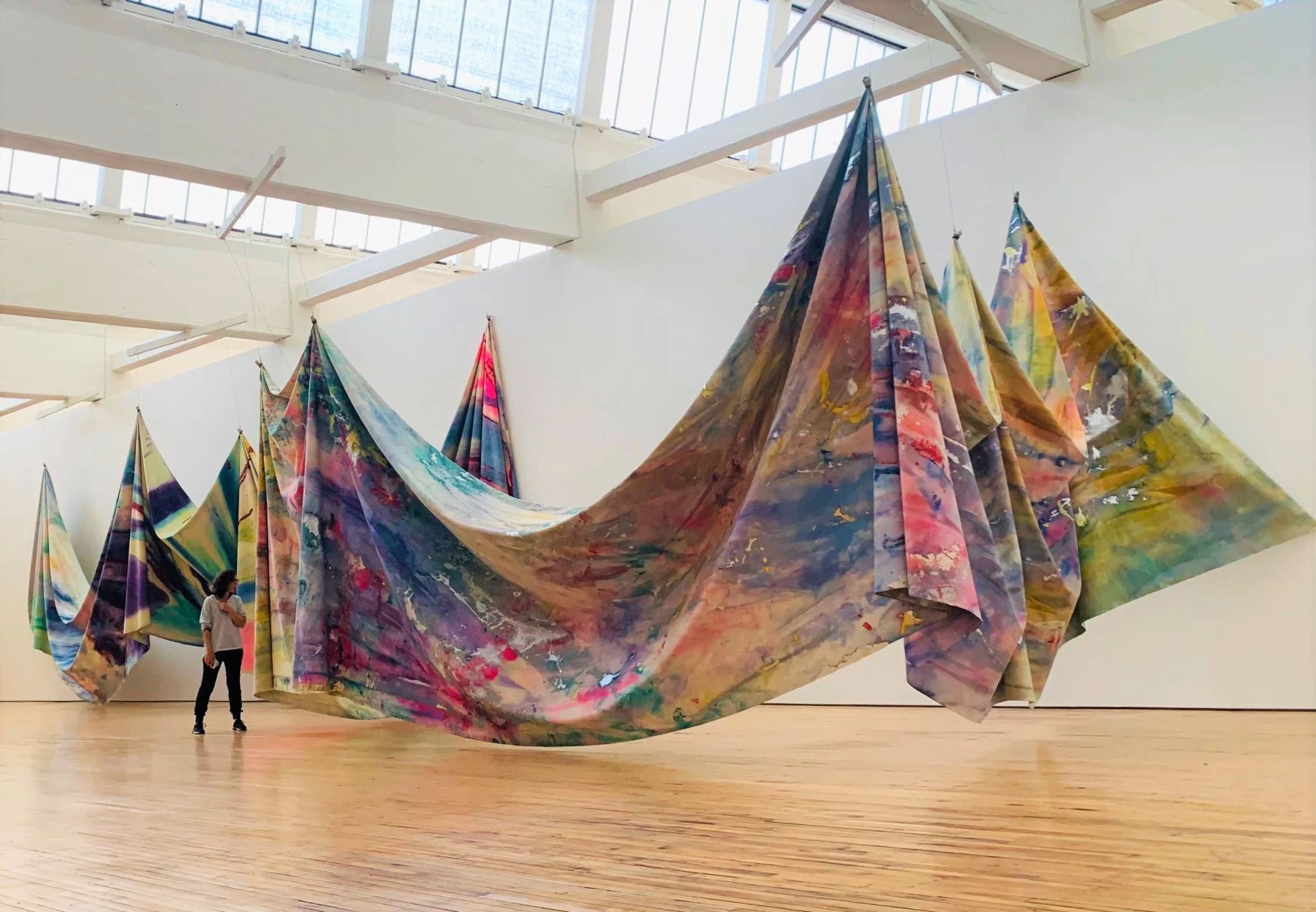
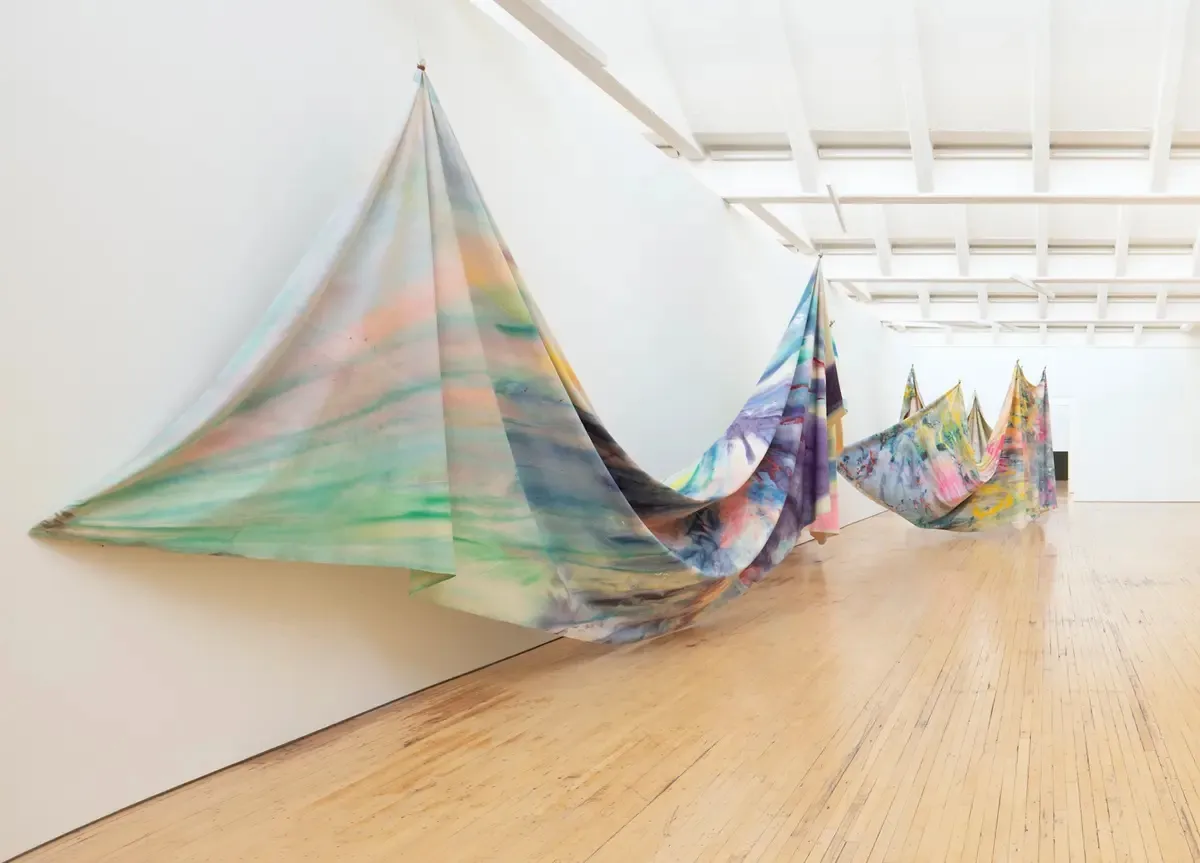
Not long ago, and a lifetime ago, my kids were glued to me (and each other) like barnacles on a whale. Mothering three young children felt like a Sam Gilliam painting with one vivid colour bleeding into the next. We were fused together with an adhesive of bodily fluids, love and survival. Blues blurred with yellows and purples and greens to the effect of something chaotic and serene, still and wild, rich, joyful, intense and consuming. “My drape paintings are never hung the same way twice. The composition is always present, but one must let things go, be open to improvisation, spontaneity, what’s happening in a space while one works.” Mothering three older children still feels like a Sam Gilliam painting, only my perspective is shifting.
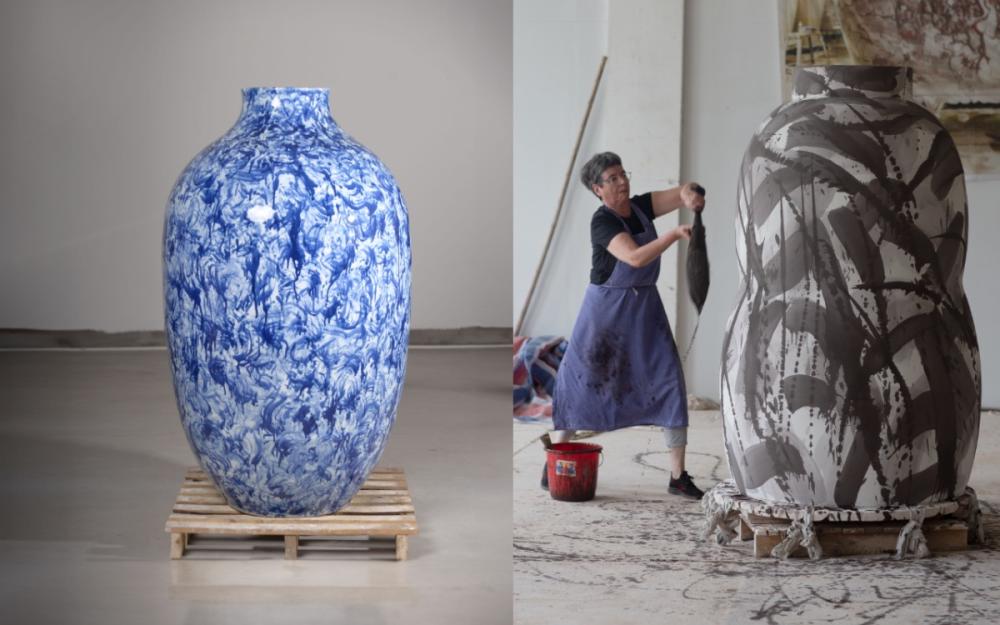
Felicity Aylieff makes gigantic porcelain pots in her workshop in Jingdezhen, China. She wheel-throws each vessel with a team of four artisans and fires them in a kiln that’s larger than most people’s kitchen. Her biggest vessels exceed four metres in height and weigh upwards of 1,000 kilograms. She uses a forklift to move them, even inside her own studio. “I started off making table-top-size ceramics, but I found I couldn’t say what I wanted with the smaller pieces,” says the U.K. born artist. “I love the scale of large sculpture and the impact it has.” I was awestruck when I first saw Aylieff’s work last week; there are very few ceramic artists who dare to work on such an awesome scale. Plus, her surface decoration –– like monumental paintings –– is something to behold. At the opposite end of the spectrum, I came across some images of Lucie Rie’s ceramics buttons this week and felt immediately moved by the respect and sensitivity Rie brought to the lowly button. Rie is one of the most celebrated studio potters of our time, and while she’s known for her modernist vessels, it was the buttons that established her career when as a young Jewish émigré she fled Nazi-occupied Austria to build a life in London. Aylieff’s vessels evoke an instant sense of awe and wonder. Rie’s buttons evoke a feeling of survival and hope. There’s something in the extremes here that I’m drawn to. Big, bold, daring and dramatic; tiny, tender, detailed and deliberate. Humans are a species of extremes so it makes sense that we’re drawn to art that reflects this reality.
I’ve waxed lyrical here before about my love of peonies. Given all the rain lately we’re in for a show this year. Coral Charm is my very favourite because it goes through so many incarnations, from vivid coral to faded peach to a bisque white with the faintest hint of its original coral. “What is my experience of the flower if it is not colour?” wrote the artist, Georgia O’Keeffe. When I think of peonies there’s so much more that captures my attention than colour –– texture, shape, grandeur –– but it really is that coral that quickens my heart, and the creamy white (the shade of a Victorian nightgown) that softens it. Blink and it’s already turning from coral to peach. Blink again and it’s cream. And then gone.
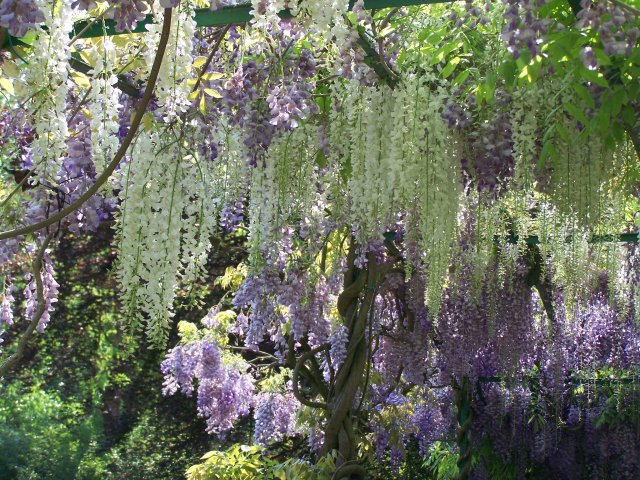
It begins with the tiny lime green leaves of creeping jenny popping up in patches all over the garden. Next come the dark green leaves of the climbing Hydrangea, and the silvery white ones of four siberian bugloss. The hostas pop up next like the fingers of a green witch and a day or two later the grasses turn from straw to green. The geraniums under our budding dogwood are next to emerge followed shortly by the elegant stems of solomon seal. Our four beech trees are slow to revive while the freeman maple shows its first few rust coloured leaves that will soon turn green. The fringe tree and wisteria –– les pièces de résistance –– are the last to awaken, with a spectacle of long white streamers and violet blooms so beautiful that it’s a wonder we’re in Toronto and not Monet’s garden. The only thing now left are the anemones, and they won’t appear until late Summer when the whole garden is so verdant and alive that it’s hard to imagine that all of this beauty was ever underground. I watch it all unfold like a piece of music that gradually thickens and intensifies as instruments enter one by one.
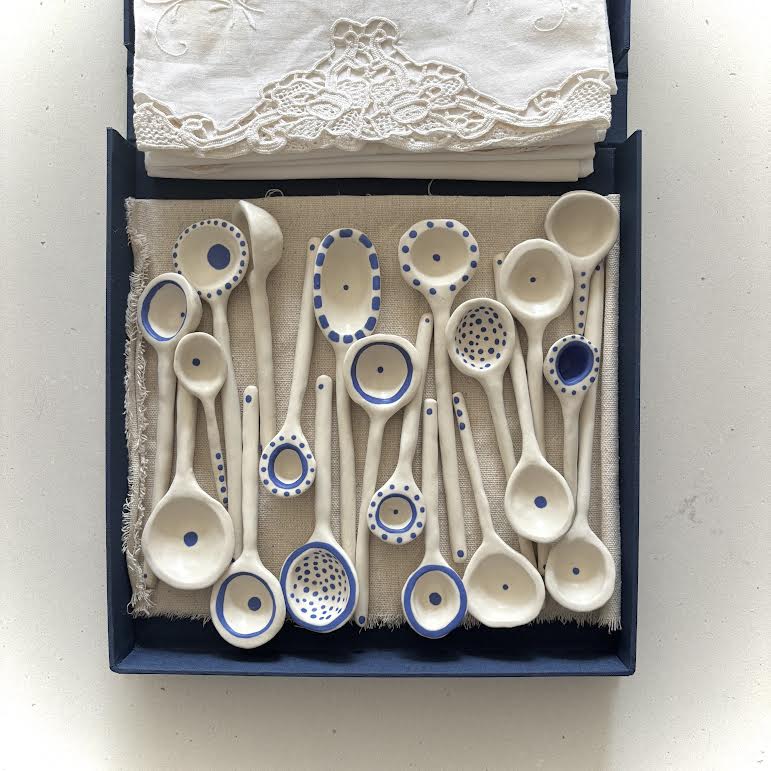
This is my fifth collection of spoons since the first one I made last winter and the bowls are getting deeper and stems thicker as I move towards shapes that are softer in the hand and still playful to the eye. Practice, practice; pinch, pinch; paint, paint. I made these ones at my kitchen table while listening to Bella Freud in conversation with Cate Blanchett. “Nowadays, aspiring filmmakers are often told to find their own voice. But I would encourage stealing from everyone and everything, which is what I have done. I think that in part you are paying homage to your role models, but it is also a way to connect. In a way, you are in conversation with the actor or filmmaker you are stealing from. The obsession with being original or groundbreaking often works as a pitfall.” To make these spoons, I stole from Suzanne Sullivan whose ceramic spoons were the first I ever loved, and from Paula Greif who inspired me to bundle them together as sets. I stole from Kate Semple who bringsa freedom to her craft that I only ever feel in bursts. And from Nigel Slater who doesn’t make spoons but writes about them in a way that inspires those who do. It was Alexander McQueen who said, “If you’re lucky enough to use something you see in a dream, it is purely original, it’s not in the world, it’s in your head.” Most things I create are an amalgam of stealing and dreaming. I like to think of our brains as containing one of those moving carousels filled with images captured over time; one never knows which images will show themselves and when, and how we will distill them into the things we create.