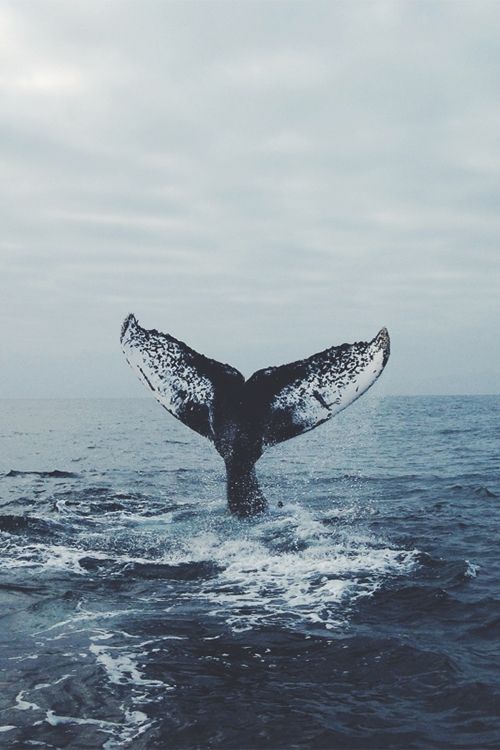
“Nature is taking a breath when the rest of us are holding ours,” writes Marina Koren in an inspiring Atlantic piece on the positive effects that widespread social-distancing measures are having on the planet’s seismic activity, air pollution, and city soundscapes. ‘“I used to think there weren’t really birds in Wuhan, because you rarely saw them and never heard them. I now know they were just muted and crowded out by the traffic and people,”’ says Rebecca Franks, an American living in Wuhan. ‘“All day long now I hear birds singing. It stops me in my tracks to hear the sound of their wings.”’ The oceans are quieter, too, says Koren. The suspension of cruise ships has meant a reduction in ocean noise which research shows affects the stress-hormone levels in marine creatures, such as whales. Calmer waters can only have a positive affect on their mating patterns, gestation period and general wellness. ‘“This will be the quietest entry that humpback whales have had in southeastern Alaska in decades,”’ says Michelle Fournet, a marine ecologist at Cornell. It was an inspiring read, and it got me thinking about what we can all do to make sure this wasn’t a single breath, but rather a change in our collective breathing. I often think about what impact one little life can have, both positive and negative, on the world. What difference does one car, one airline seat, or one cabin on a ship make? What difference does one cigarette tossed in the ocean make? What difference does one plastic straw, one steak dinner, one high street, polyester dress make? And inversely, what difference does one smile make? What’s in one small act of kindness or gesture of solidarity? What’s in one choice that puts another living person or thing ahead of you? What difference do I make? I think nature’s response is shining proof that each and every one of us, collectively, has the power to make a whole world of difference.