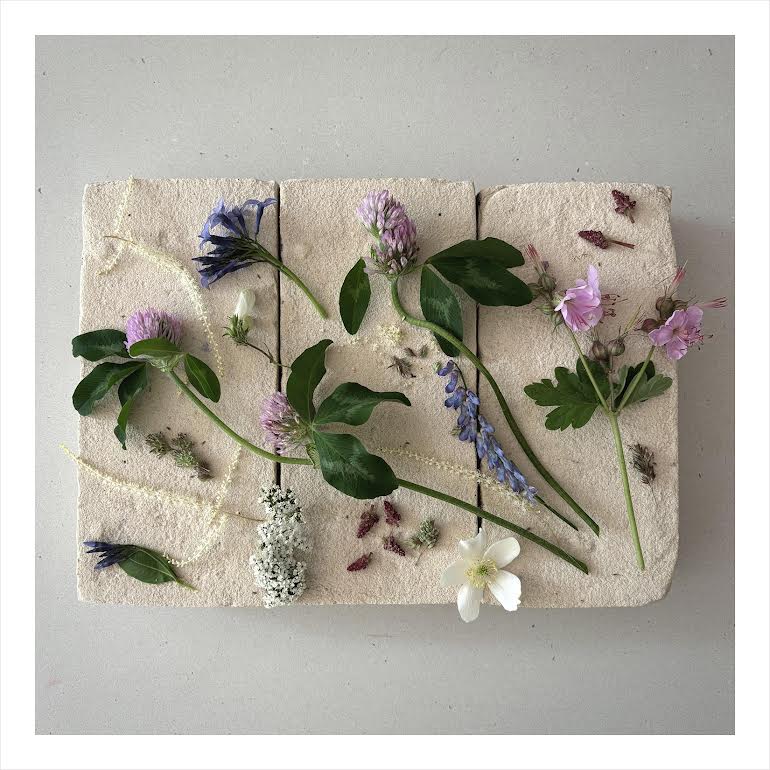
One of the many things I loved about our trip to Newfoundland this summer were the wildflowers; wild Columbine, Bergamot, Cow Parsley, Sweet Clovers and Buttercups everywhere we turned. They grow in fields and bogs and wetland, on gravel and rock, and in the hairline cracks on pavements like tiny bursts of hope. How can something so delicate spring from solid rock? Or cement? Like Newfoundlanders themselves, wildflowers are beautiful and survive in tough conditions. Back in Toronto, I watch the wildflower seeds we scattered in late May produce a swath of flowers so pretty that every bee on the block is in our garden. The university gardens, all newly planted are a love letter to native wildflowers with Echinacea, Queen Anne’s Lace and Little White Pearls growing in abundance. I walk through these gardens everyday and think how in a few months from now all this beauty will be underground. In The Island Of Missing Trees, Elif Shafak writes from the vantage point of a fig tree buried underground. “As you tunnel deep down, you might be surprised to see the soil take on unexpected shades. Rusty red, soft peach, warm mustard, lime green, rich turquoise…. Humans teach children to paint the earth in one colour alone. If they only knew they have a rainbows under their feet.” As someone who feels the absence of colour in the winter months –– bare trees, grey skies and concrete walls –– I found this thought to be wonderfully reassuring. Just because we can’t see the wildflowers, doesn’t mean they are not there. Quiet. Sleeping. In the red, peach and turquoise soil.